

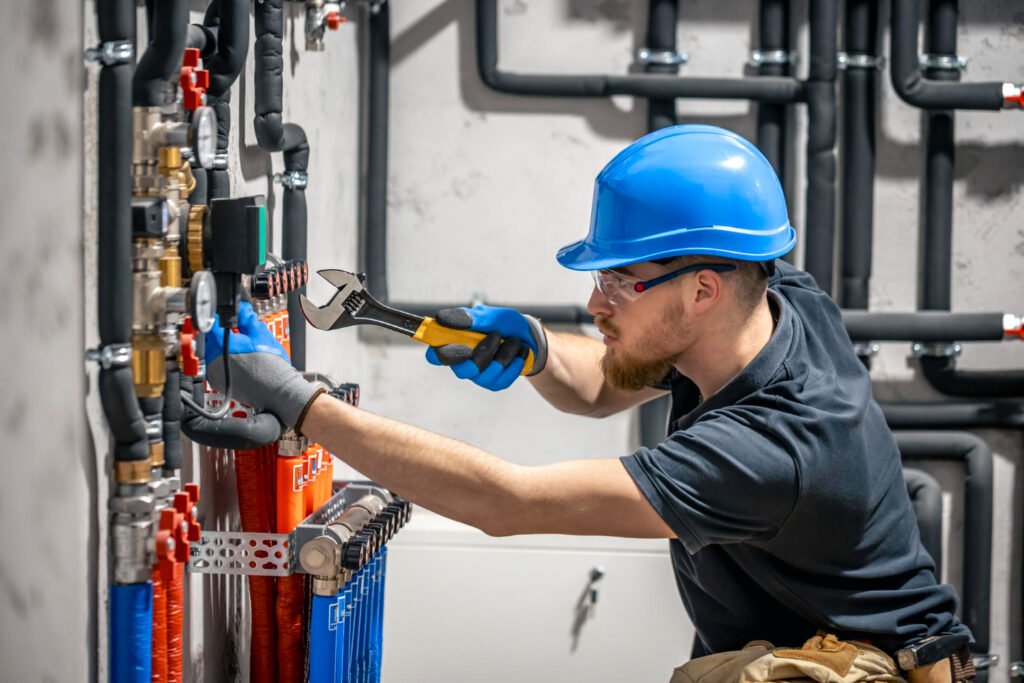
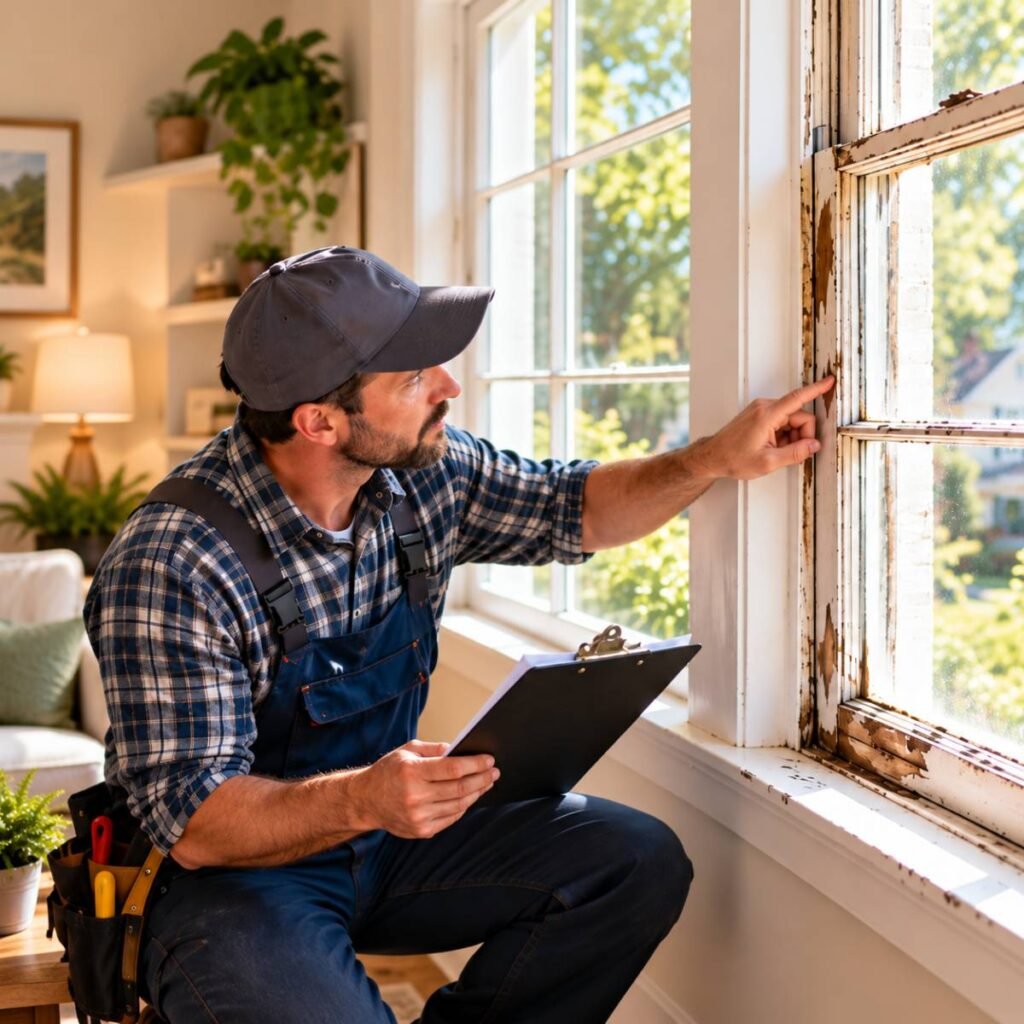

Adding a gas range, clothes dryer, water heater, fireplace, or outdoor grill can make a home more functional, but the existing gas piping may not be ready for another appliance. Before purchasing new equipment, homeowners should consider whether their current gas lines can safely supply the additional demand.
Planning ahead can help prevent installation delays, appliance performance issues, and potential safety hazards. If an upgrade is needed, researching professional gas line installation in Cottleville, MO can help homeowners understand the importance of proper pipe sizing, safe routing, local code compliance, and testing before a new appliance is put into service.
When Does a Home Need a Gas Line Upgrade?
A gas line upgrade may be necessary when an existing system cannot supply enough fuel to operate all connected appliances as intended. This can happen when homeowners add equipment, remodel a kitchen, finish a basement, or create an outdoor cooking area that requires a new gas connection.
The age and condition of the existing piping also matter. Older, corroded, damaged, or improperly modified lines may require professional attention before additional appliances are connected. Even if a home already has several gas-powered systems, that does not automatically mean the supply can accommodate another one.
A professional assessment can determine whether the current piping is suitable, needs a new branch line, or requires more extensive modifications. Evaluating the system before purchasing an appliance can also help homeowners plan the installation more accurately.
How Appliance Demand Affects Gas Line Capacity
Every gas appliance has a specific fuel requirement, commonly expressed in British thermal units per hour (BTU/h). The gas piping must deliver enough fuel to meet the combined demand of the appliances that may operate simultaneously.
For example, adding a high-output range to a home that already uses a gas furnace, water heater, and dryer can increase the demand on the existing system. Whether an upgrade is necessary depends on the total connected load, pipe diameter, pipe length, fittings, gas pressure, and other design factors.
Pipe sizing is not simply a matter of choosing a larger diameter. A qualified professional must evaluate the system’s layout and the requirements of the connected equipment. Undersized piping can contribute to inadequate gas supply, while unsuitable modifications can introduce safety risks.
Homeowners should also check the installation instructions for their new appliances. Manufacturers specify requirements for gas type, supply pressure, and connections that must be considered when planning the work.
What Should Homeowners Check Before Installation?
Preparing for a gas line upgrade involves more than identifying where the new appliance will sit. The location, existing infrastructure, and applicable installation requirements all influence the project.
Consider the following factors before scheduling the work:
- Appliance specifications: Confirm the fuel type, input rating, and connection requirements of the new equipment.
- Existing gas demand: Account for the other appliances connected to the system, including equipment that may operate at the same time.
- Pipe condition: Have visible corrosion, damage, or questionable previous modifications evaluated by a qualified professional.
- Installation route: Determine how the piping can reach the appliance while allowing appropriate access and avoiding conflicts with other building systems.
- Permits and inspections: Check local requirements to establish whether permits, inspections, or other approvals are needed.
- Future plans: If another gas appliance may be added later, discuss the possibility during the initial assessment rather than making repeated modifications.
These considerations help establish the scope of work and reduce the likelihood of discovering important installation issues after the project begins.
Which Appliances Commonly Require New Gas Connections?
Several household improvements may require new piping or changes to an existing gas line. A gas range or cooktop may need a connection in a different location after a kitchen remodel. A gas dryer may require a dedicated connection in a laundry area, while a tank or tankless gas water heater may have specific fuel supply requirements.
Fireplaces and outdoor grills can introduce additional planning considerations because their locations may be far from the existing gas piping. Outdoor installations also require materials and connection methods suitable for the intended environment and applicable codes.
The amount of work varies from one property to another. A nearby appliance might need only a properly sized branch line, while a more distant installation could require a longer pipe route or changes to existing piping. The appliance’s fuel demand and the home’s current capacity determine which approach is appropriate.
Why Professional Installation and Testing Matter
Gas piping must be installed and evaluated carefully because leaks, improper connections, and inadequate fuel supply can create serious hazards. Work that appears straightforward may involve concealed pipes, pressure requirements, shutoff arrangements, and local code provisions that are difficult to assess without suitable training.
A qualified professional can evaluate the existing system, determine the required pipe size, plan a suitable route, and select appropriate materials. The installation should follow applicable codes and manufacturer instructions, with required permits and inspections arranged as necessary.
Testing is also an essential part of the process. The completed gas piping must be checked using an appropriate procedure before it is placed into service. Homeowners should not attempt to test for leaks with a flame or make unapproved adjustments to gas connections.
If a gas odor is present, do not continue with an appliance installation or attempt to locate the leak yourself. Leave the building, avoid operating electrical switches or using open flames, and contact the gas utility or emergency services from a safe location.
How to Plan for Long-Term Gas System Reliability
A gas line upgrade should account for both immediate requirements and the condition of the wider system. Before work begins, discuss the proposed appliance locations, expected fuel demand, access requirements, and any planned renovations with the professional carrying out the assessment.
Keep records of the completed work, including relevant permits, inspection results, and appliance installation information. These documents can help with future repairs, replacements, and home improvement projects.
Periodic attention is especially important when piping shows signs of damage or when construction work takes place near gas lines. Do not assume that gas piping is in good condition simply because an appliance still operates. Have concerns evaluated by a qualified professional, and follow the appliance manufacturer’s maintenance recommendations.
Final Thoughts
Gas line upgrades require careful planning, accurate pipe sizing, and attention to safety. Before adding a new appliance, homeowners should confirm that the existing system can meet the combined fuel demand and that any required modifications comply with applicable codes and installation instructions.
The best next step is to arrange an assessment before connecting new equipment. Discussing the appliance specifications, current piping condition, and future household plans with a qualified professional can help establish the appropriate scope of work and support safe, reliable operation.