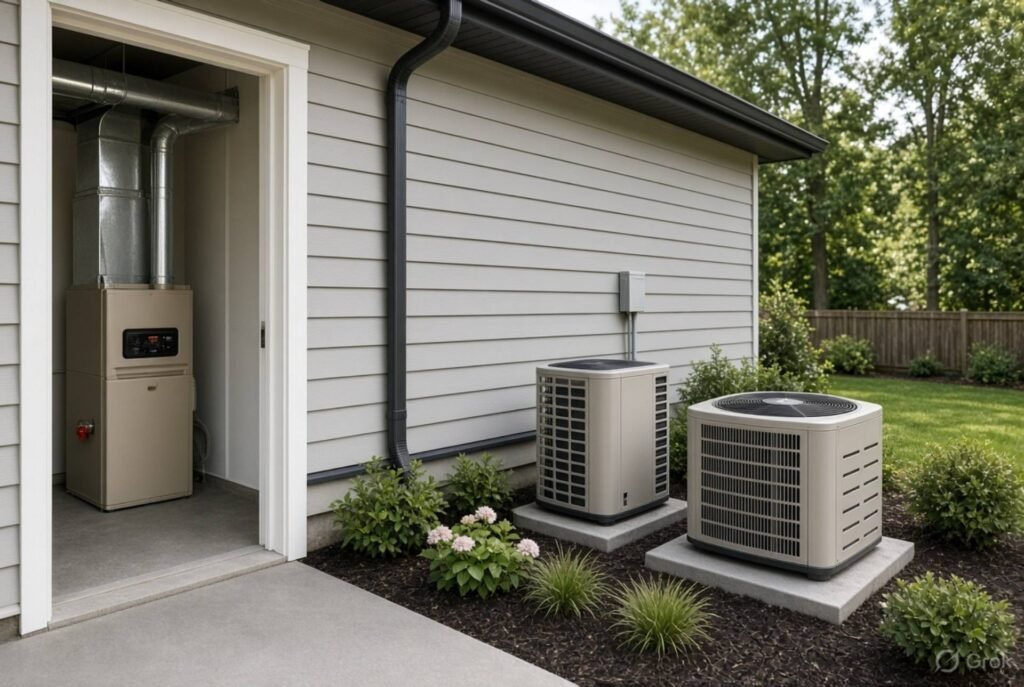


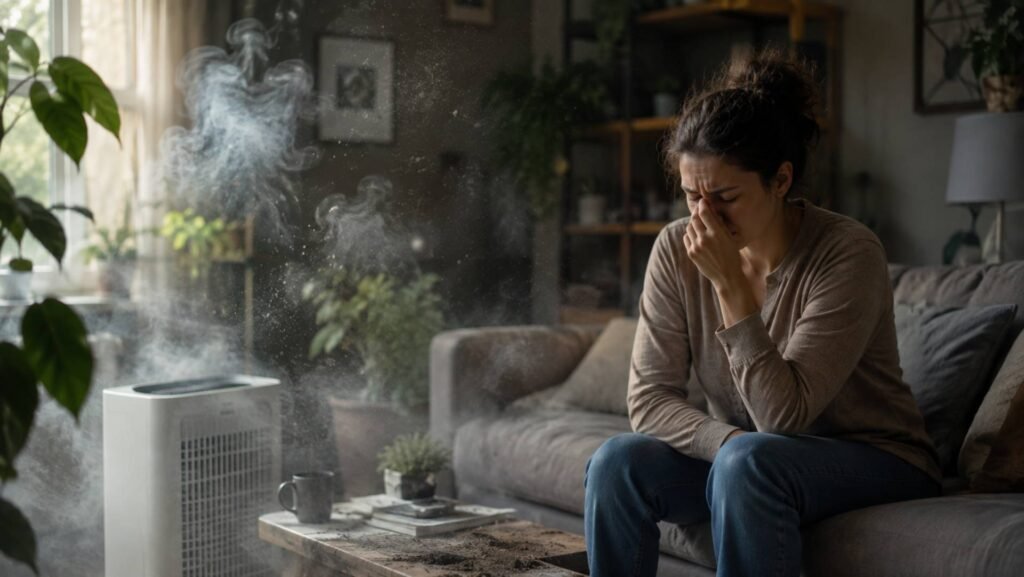
The air inside your home may look clean while still carrying dust, allergens, mold spores, and chemical particles. Because people spend so much time indoors, these pollutants can gradually affect comfort and respiratory health. Protecting indoor air quality for families begins with understanding where contamination comes from and how it moves through the house. Common causes include dirty filters, excess humidity, leaking ductwork, household products, and poor HVAC maintenance. Once you recognize the warning signs, you can take practical steps to improve filtration, control moisture, reduce airborne pollutants, and support cleaner air throughout every room in your home more effectively.
Dust, Dander, and Pollen Accumulate Indoors
Dust can contain pollen, fabric fibers, skin flakes, and pet dander. These particles settle on surfaces and return to the air through movement or HVAC circulation. Regular cleaning helps, but the system filter also matters. Replace it as recommended and consider whole-home filtration when standard filters cannot provide enough control.
Dirty or Leaking Ductwork Recirculates Pollutants
Ductwork distributes air throughout the house, so dust and debris inside it may spread into several rooms. Leaks can also pull contaminants from attics, crawl spaces, or other unconditioned areas. Professional duct cleaning removes buildup, while duct sealing and repair can improve airflow and limit the entry of unwanted particles.
Excess Humidity Supports Mold Growth
High humidity creates damp conditions where mold, mildew, and dust mites can thrive. Warning signs include condensation, musty odors, and persistent dampness. Repairing water leaks is essential, while a whole-home dehumidifier can help maintain balanced moisture levels and make indoor spaces feel fresher and more comfortable.
Household Products Release Airborne Chemicals
Cleaning sprays, paint, air fresheners, adhesives, and stored chemicals may release volatile organic compounds. Use these products according to label directions, close containers securely, and avoid unnecessary fragrances. Air purification can provide added support by addressing certain fine particles and airborne contaminants that ordinary filters may not capture effectively.
Pet Dander and Outdoor Allergens Travel Easily
Pet dander can remain airborne or collect in carpets, bedding, and furniture. Pollen enters through doors, windows, clothing, shoes, and ventilation pathways. For households concerned about indoor air quality for families, regular vacuuming, fabric washing, pet grooming, filter replacement, and whole-home filtration can reduce repeated allergen circulation.
Smoke and Cooking Particles Can Linger
Cooking, candles, fireplaces, and tobacco smoke release particles and odors that may remain indoors. Keep cooking areas clean, use exhaust equipment correctly, and avoid unnecessary indoor smoke. Smoke detectors should also be installed and maintained. They do not clean the air, but they provide essential warning when smoke is present.
Carbon Monoxide Requires Reliable Detection
Carbon monoxide cannot be seen or smelled and may result from faulty fuel-burning equipment or improper venting. Maintain dependable carbon monoxide detectors and replace batteries or expired units as required. Never ignore an alarm. Leave the property immediately and contact emergency services rather than attempting to identify the source yourself.
Poor HVAC Maintenance Affects Airflow and Cleanliness
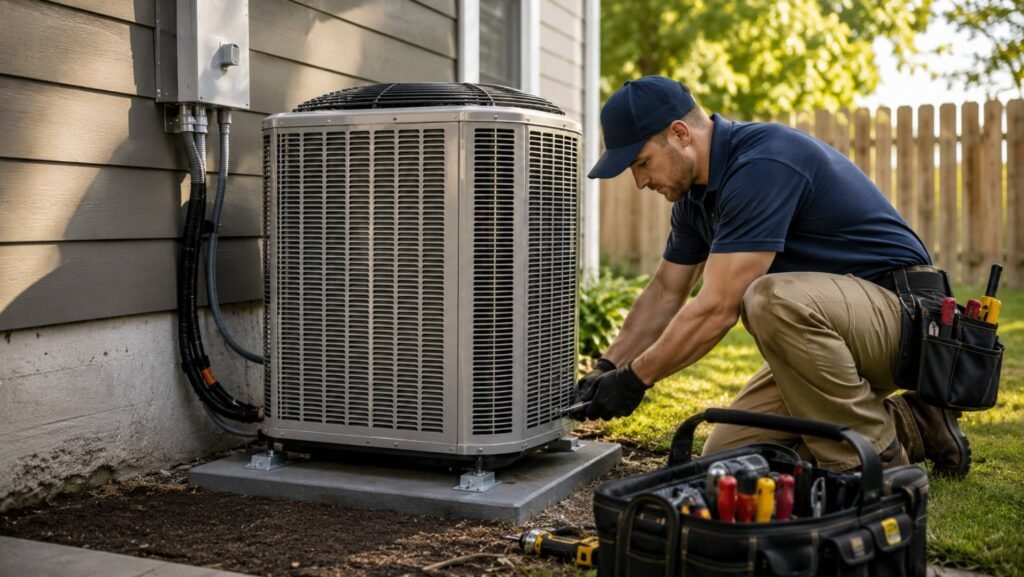
Clogged filters, dirty components, drainage problems, and weak airflow can reduce HVAC performance and worsen indoor air quality. Routine maintenance helps identify these concerns early. Professionally installed UV germicidal lights may also help control microorganisms around compatible HVAC components when properly selected, positioned, and maintained.
A Clogged Dryer Vent Adds Heat and Lint
Lint buildup inside a dryer vent restricts airflow, traps heat, and increases fire risk. Clean the lint screen after every load and watch for longer drying times, excessive heat, or burning odors. Professional dryer vent cleaning can remove deeper buildup and restore safer, more efficient exhaust flow.
FAQs
Can Poor Indoor Air Quality Exist Without a Bad Smell?
Yes. Fine particles, pollen, pet dander, and carbon monoxide may be present without a noticeable odor. Visible dust and recurring discomfort can also provide clues.
How Often Should an HVAC Filter Be Changed?
Follow the filter and HVAC manufacturer’s recommendations. Homes with pets, heavy dust, or frequent system use may require more frequent inspection and replacement.
Does a Dehumidifier Remove Mold?
A dehumidifier controls excess moisture but does not remove existing mold or repair water damage. The source of dampness must also be identified and corrected.
When Should Air Ducts Be Professionally Cleaned?
Professional cleaning may be appropriate when ducts contain visible debris, contamination, or persistent buildup that continues circulating despite routine filter changes and household cleaning.
What Do UV Germicidal Lights Do?
UV lights installed in compatible HVAC systems can help control microorganisms around coils or ductwork. Correct placement and professional installation are important for effective operation.
Closing Thoughts
Poor indoor air quality usually develops from several sources rather than one obvious problem. Dust, pet dander, pollen, household chemicals, smoke, excess humidity, dirty ducts, and neglected HVAC components can all affect the air moving through your home. Regular cleaning, timely filter changes, moisture control, detector maintenance, and professional HVAC care can reduce many of these concerns. Duct cleaning, duct sealing, whole-home filtration, air purification, UV germicidal lights, dryer vent cleaning, and dehumidification may provide targeted support when basic steps are not enough. Pay attention to persistent dust, musty odors, condensation, weak airflow, and recurring discomfort because these signs can point to a deeper issue. Improving indoor air quality for families begins with identifying the source and choosing the correct response. A cleaner HVAC system and balanced humidity can create a fresher, safer, and more comfortable home throughout every season for everyone who lives there, including residents and guests alike.