

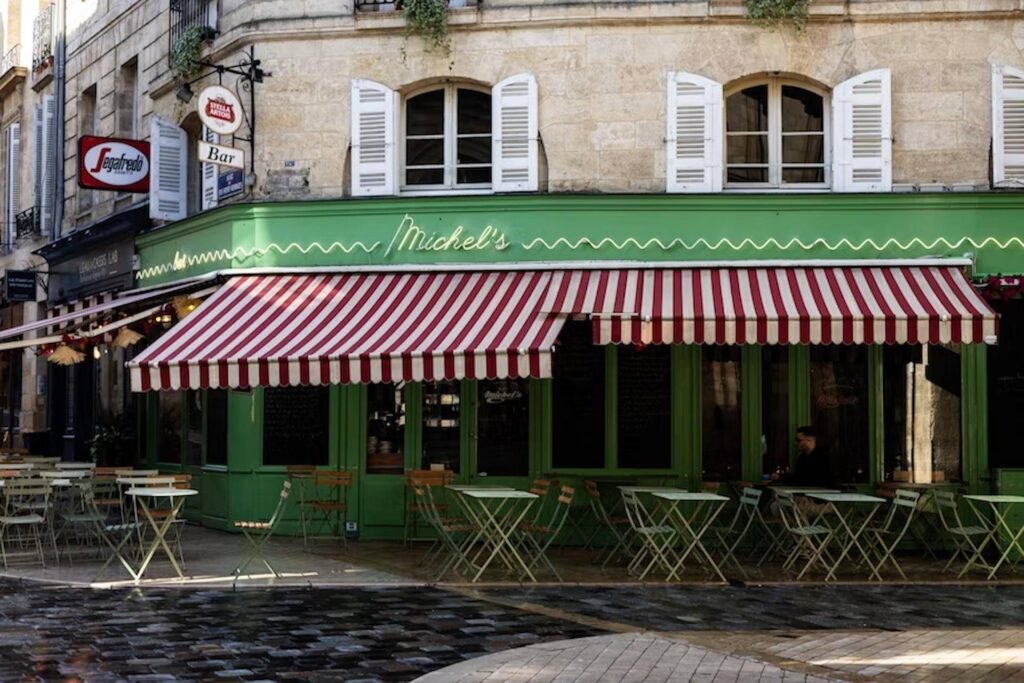
Covered seating can help cafés and pubs use outdoor space through most of the year. Success depends on choosing a suitable awning, checking permissions early and protecting pedestrian access. Careful measurements, neighbour-friendly design and clear council communication can prevent delays while creating a comfortable, practical area for customers outside.
Outdoor seating can increase capacity and give customers more choice, but installing cover is not simply a design decision. Property ownership, pavement use, local planning rules and building status can all affect the project. A retractable waterproof awning offers flexible protection that can open during rain and close when cover is unnecessary. Yet retractability does not automatically remove the need for consent. Café and pub operators should check the site, speak with their council and confirm fixing requirements before ordering. Early preparation reduces objections, controls costs and helps create covered seating that respects customers, neighbours, pedestrians and the surrounding street.
Check Who Controls the Outdoor Space
First establish whether the seating area sits on private land, leased property or the public highway. Each arrangement brings different responsibilities.
Tenants may need written approval from the landlord before attaching anything to the building. Lease terms may restrict external fittings, colours or alterations even when planning permission is not required.
Businesses using a public pavement normally need a pavement licence for removable tables, chairs and related furniture. An attached awning may fall outside that permission, so ask the council which separate approvals apply.
Ask the Council Before Finalising the Design
Planning rules depend on the building, location and proposed installation. A project may need planning permission, listed building consent or advertisement consent if branded text or illuminated signs are included.
Restrictions may be tighter in conservation areas or on listed buildings. Fixings, fabric colour, projection and the effect on the building’s appearance can influence the decision.
Send the local authority clear dimensions, photographs and product details at an early stage. Written guidance gives the designer and installer a firmer basis for preparing the final proposal.
Keep the Pavement Safe and Accessible
More tables do not always create a better outdoor area. Customers, waiting staff, wheelchair users, pedestrians and people with pushchairs need enough unobstructed space.
Measure the awning’s projection as well as the seating footprint. Check whether posts, rainwater, heaters or barriers could narrow the clear route.
Pavement licence conditions vary between councils. Some authorities set local minimum widths and rules for closing hours, furniture storage or smoking arrangements. Design around the applicable conditions rather than trying to adjust the layout after installation.
Match the Awning to British Weather
Standard awning fabrics may offer shade and limited protection from light rain, but a hospitality area used during wet weather needs a genuinely waterproof specification.
A retractable waterproof awning should have fabric made to resist water penetration, suitable drainage and a pitch that directs rain safely away from doors, tables and pedestrian routes.
Water must not collect on the cover or discharge onto neighbouring property. Ask the installer how the system manages rainfall and what weather limits apply. Retract the awning when conditions exceed the manufacturer’s operating guidance.
Reduce Noise and Neighbour Concerns
Covered seating can change how sound travels. Conversations, furniture movement and closing activity may become more noticeable to nearby residents.
Set realistic outdoor operating hours and train staff to manage the space quietly. Avoid placing speakers beneath the cover unless the licence and local conditions permit amplified sound.
Contacting neighbours before work begins may reveal concerns that can be resolved through layout, lighting or closing-time changes. A calm discussion is often easier than answering a formal complaint later.
Keep Branding Visually Controlled
Awnings can support brand recognition, but heavy graphics may attract planning or advertisement concerns. Large lettering, bright lighting and designs that clash with the building can make approval harder.
Use colours and branding that suit the frontage and surrounding street. Keep wording clear and restrained.
Check whether any logo, business name or illumination needs advertisement consent. Approval for the awning itself does not always cover the advertising displayed upon it.
Plan Heating and Lighting Separately
Cover alone may not make outdoor seating comfortable during colder or darker periods. Lighting and heating need their own safety, power and permission checks.
Choose fittings intended for commercial outdoor use and position them away from fabric, doors and customer contact. Electrical work should be completed by a suitably qualified professional.
Avoid excessive brightness or heat loss beyond the seating area. Efficient placement can improve comfort without disturbing neighbours or increasing running costs unnecessarily.
Choose a Professional Survey and Installation
An awning places loads on the building, so the supporting wall and fixings must be assessed properly. Guessing from photographs or basic measurements can lead to costly specification errors.
Arrange a site survey before approving the order. Confirm width, projection, mounting height, drainage, electrical supply and safe access for installation.
Ask what maintenance the mechanism and fabric require. Regular checks, cleaning and prompt repairs can protect appearance and reliable operation across busy trading periods.
Closing Thoughts
Covered outdoor seating can support capacity, customer comfort and year-round trading, but the installation should begin with checks rather than a product order. Operators need to identify who controls the land, review the lease and ask the council about planning, licensing and advertising requirements.
The design must leave safe pedestrian access and manage rainwater without creating hazards. Colours, lighting, opening hours and noise should respect nearby properties. A professional survey can confirm mounting strength, dimensions, drainage and electrical needs before manufacture begins.
No awning guarantees freedom from planning permission. The simplest route is to gather accurate information early, present a measured proposal and follow written local guidance. With suitable approvals, professional installation and responsible daily operation, a retractable waterproof awning can give cafés and pubs adaptable covered seating without turning a practical improvement into a lengthy planning dispute.