


Moisture damage rarely announces itself with obvious warning signs. In many homes, it builds quietly behind walls, under floors, and inside ceilings until the damage becomes costly and difficult to manage. By the time visible mould or structural decay appears, the issue has often been developing for months.
Understanding the early indicators of moisture problems can help homeowners act quickly, protect their property, and avoid expensive repairs. Below are the most overlooked signs that your home may be experiencing hidden moisture damage.
Persistent Musty Odors That Won’t Go Away
A musty smell is often one of the earliest and most reliable indicators of moisture problems. Even when surfaces look clean, lingering odors can signal damp conditions hidden behind walls, under carpets, or inside ventilation systems.
This smell is typically caused by mould or mildew growth in areas with poor airflow. Bathrooms, basements, and storage spaces are common hotspots. If the odor returns shortly after cleaning, it is a strong sign that the root cause has not been addressed. Ignoring this can allow microbial growth to spread, affecting indoor air quality.
Increased Allergy or Respiratory Issues
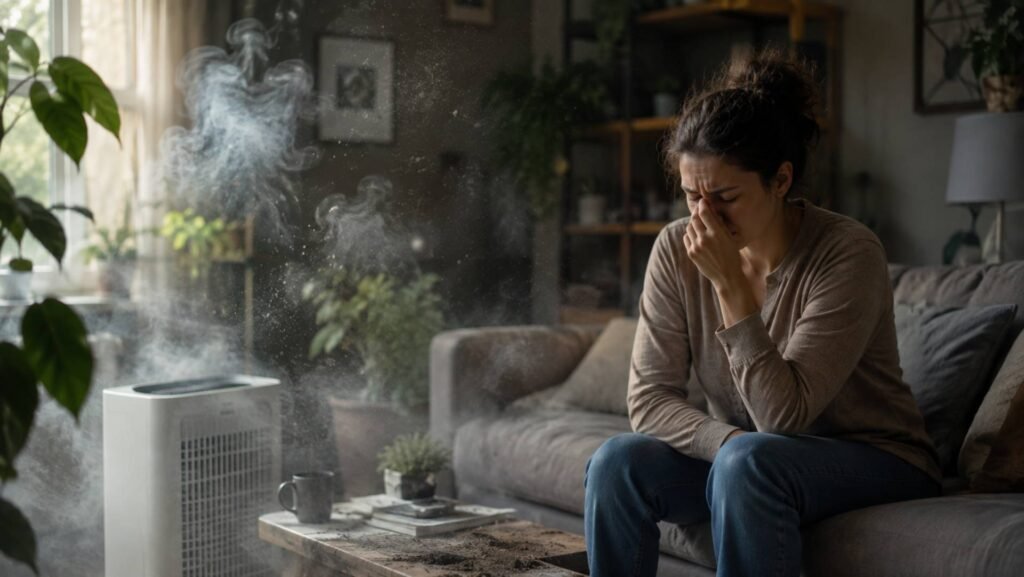
Indoor moisture problems often lead to mould growth, which can affect air quality. If household members begin experiencing unexplained allergies, coughing, or respiratory discomfort, it could be linked to hidden moisture damage.
Mould spores can circulate through the air, especially in poorly ventilated spaces. Addressing the root cause with a professional mold remediation service can significantly improve indoor air quality and protect your health.
Peeling Paint or Bubbling Wallpaper
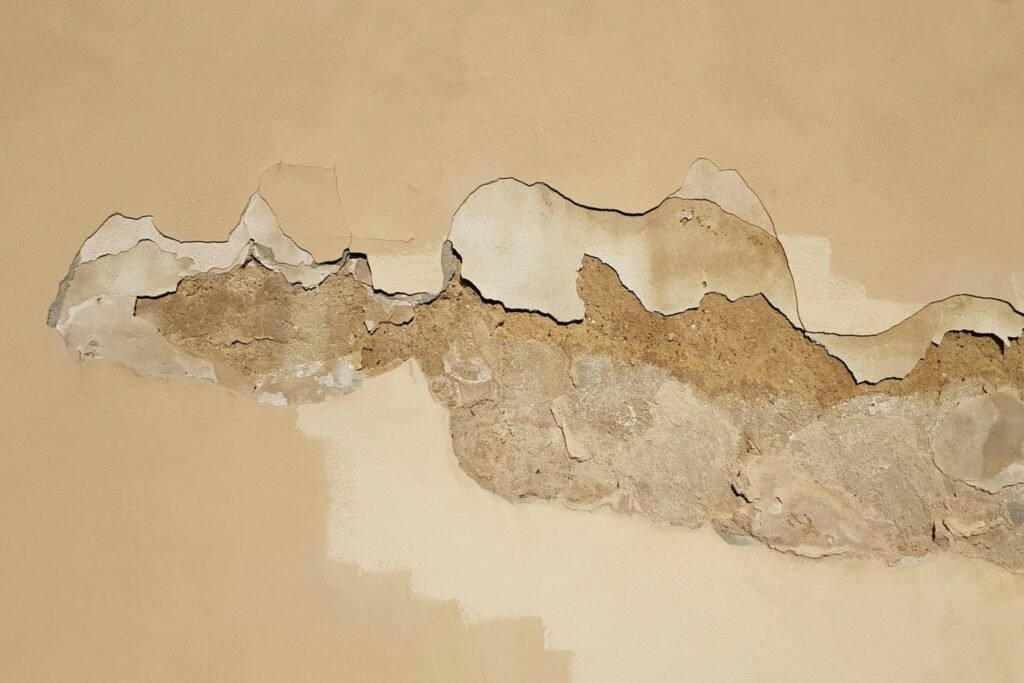
When moisture seeps into walls, it disrupts the bond between paint or wallpaper and the surface beneath. This often leads to bubbling, cracking, or peeling finishes.
While it may seem like a cosmetic issue, it usually points to deeper moisture infiltration. The problem could stem from plumbing leaks, roof damage, or condensation buildup inside walls. Addressing only the surface without identifying the source will result in recurring damage and escalating repair costs.
Unexplained Stains on Walls or Ceilings
Discolored patches on walls or ceilings are clear warning signs of water intrusion. These stains may appear yellow, brown, or even grey, depending on the source of the moisture.
They often indicate leaks from pipes, roofs, or external walls. Over time, these damp areas can weaken structural materials and encourage mould growth. Homeowners should investigate these stains immediately rather than painting over them, as doing so only masks the problem temporarily.
Warped or Buckling Flooring
Flooring materials, especially wood and laminate, are highly sensitive to moisture. When exposed to excess humidity or water, they can expand, warp, or lift from their original position.
You might notice uneven surfaces, gaps between boards, or a slight bounce when walking. These changes often occur gradually, making them easy to overlook. However, they indicate prolonged moisture exposure beneath the surface, which could be damaging the subfloor as well.
Condensation on Windows and Surfaces
Occasional condensation is normal, particularly in colder months. However, excessive or persistent moisture on windows, walls, or mirrors indicates high indoor humidity.
This environment creates ideal conditions for mould growth and can lead to long-term structural damage. Poor ventilation, inadequate insulation, or hidden leaks may be contributing factors. Monitoring humidity levels and improving airflow can help reduce this risk.
Cracks in Walls or Ceilings
While cracks can occur naturally as buildings settle, moisture can accelerate and worsen structural issues. Water infiltration weakens materials, causing them to expand and contract, which leads to cracking.
If cracks appear alongside other signs such as stains or damp patches, they may be moisture-related. Ignoring these warning signs can compromise the integrity of your home over time.
Soft or Spongy Drywall
Drywall is particularly vulnerable to water damage. When it absorbs moisture, it becomes soft, swollen, or crumbly to the touch.
You may notice slight bulges or areas that feel weaker than the surrounding wall. This often indicates hidden leaks or prolonged exposure to damp conditions. In such cases, professional inspection and repair are essential to prevent further deterioration.
Rusting Metal Fixtures or Fasteners
Moisture doesn’t just affect wood and drywall—it also impacts metal components in your home. Rust on pipes, hinges, or fixtures is often a sign of prolonged exposure to damp conditions.
While small amounts of rust may seem harmless, they can indicate larger moisture issues within walls or ceilings. Over time, corrosion can weaken structural connections and lead to further damage.
Unexpected Increase in Utility Bills
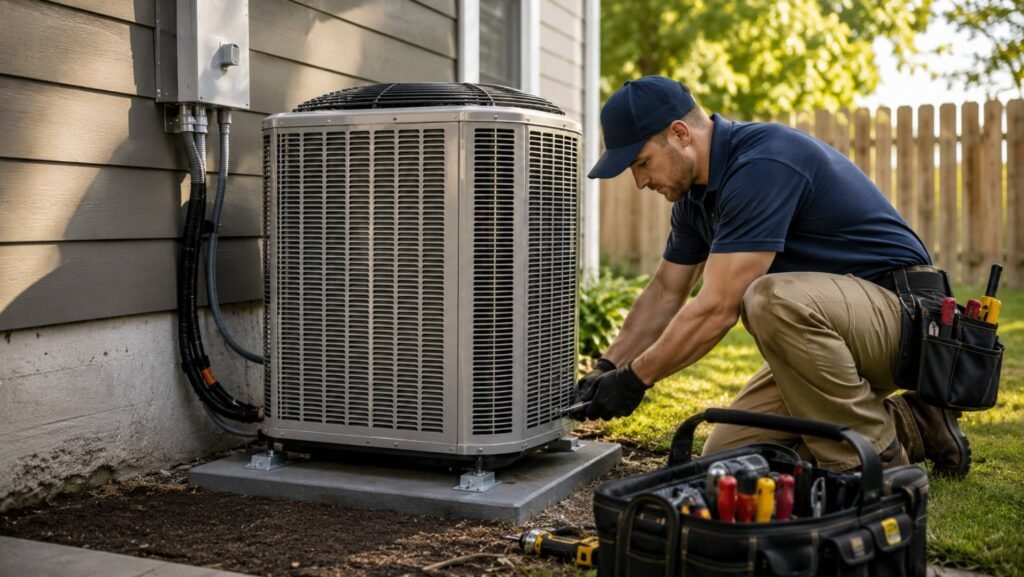
A sudden rise in energy costs can sometimes be linked to moisture problems. Damp insulation loses its effectiveness, making it harder to maintain indoor temperatures.
As a result, heating and cooling systems must work harder, leading to higher energy consumption. If your bills increase without a clear explanation, it may be worth checking for hidden moisture that could be affecting your home’s efficiency.
Conclusion
Moisture damage often develops quietly, but its effects can be significant if left unaddressed. By recognizing these subtle warning signs early, homeowners can take proactive steps to protect their property and avoid costly repairs.
Regular inspections, proper ventilation, and timely intervention are key to maintaining a healthy and durable living environment. When in doubt, seeking professional assistance ensures that the issue is identified and resolved at its source, rather than treated as a temporary fix.