



Portable crusher plants are transforming the way materials are processed on-site, offering significant advantages in terms of cost, mobility, and efficiency. By eliminating the need for costly transportation and enabling immediate processing, these plants are a game-changer for industries such as construction, mining, and demolition. Learn how they improve operations and reduce environmental impact.
In construction, mining, or demolition projects, material processing is a critical task that requires efficiency and precision. Traditional methods often involve transporting materials to a fixed processing plant, which can be time-consuming and expensive. However, the advent of the portable crusher plant has revolutionized on-site material handling by offering flexibility, mobility, and cost-effectiveness.
What is a Portable Crusher Plant?
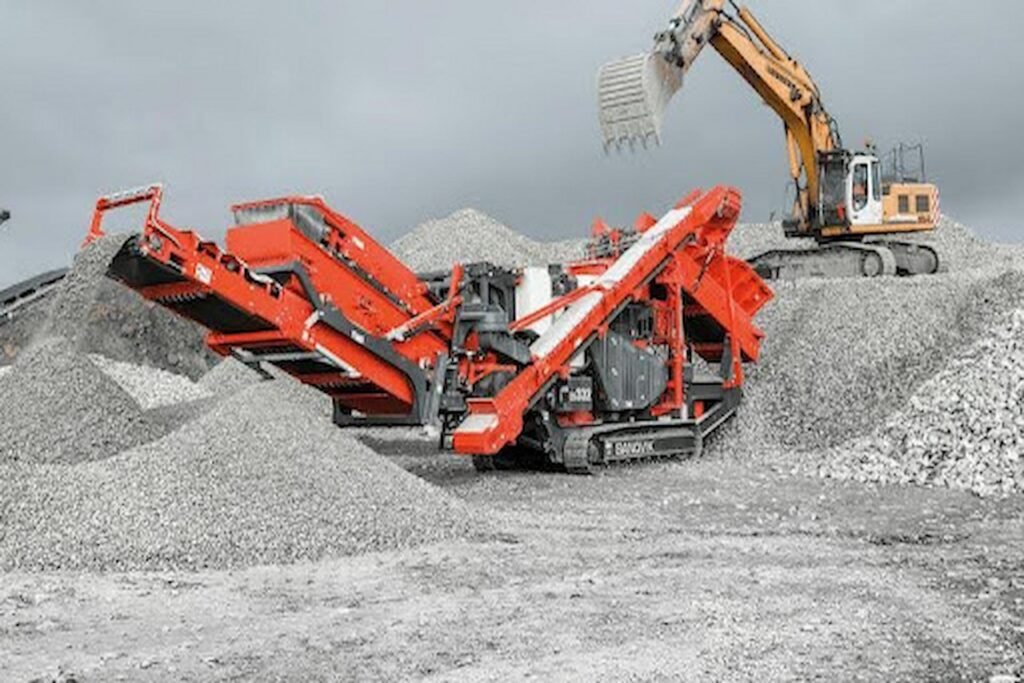
A portable crusher plant is a compact and mobile unit designed to process various types of materials such as stone, gravel, sand, or concrete. Unlike stationary crushers, these plants can be moved directly to the site where materials are needed, eliminating the need for costly transportation. By incorporating crushers, screens, and conveyors into a single, integrated system, portable plants are capable of performing crushing, screening, and material handling tasks on-site.
Benefits of Using a Portable Crusher Plant
1. Enhanced Mobility
One of the standout features of a portable crusher plant is its mobility. These plants are mounted on trailers or tracks, making them easy to transport between different job sites. This is especially beneficial for projects that require crushing in multiple locations or where material extraction takes place over a large area.
2. Cost Savings
Transporting raw materials to a stationary crushing plant can be costly, especially when working with heavy and bulky materials. A portable crusher plant eliminates the need for long-distance hauling, thus reducing fuel and transportation costs. Additionally, on-site processing allows companies to save on labor costs associated with moving materials.
3. Improved Efficiency
The on-site processing capabilities of a portable crusher plant significantly increase efficiency. With the equipment stationed at the point of extraction, materials can be processed immediately, which speeds up production timelines. Moreover, operators can quickly adjust settings based on the project’s specific needs, ensuring smooth workflow and better resource utilization.
4. Flexibility in Material Processing
Portable crushers are highly adaptable and can process a wide range of materials, from rocks and gravel to construction debris and concrete. Depending on the plant’s configuration, it can also produce different types of aggregates, meeting the specific demands of a given project. For example, a portable crusher plant can produce smaller aggregates for use in road construction or larger ones for building foundations.
5. Environmental Benefits
On-site material processing reduces the carbon footprint by cutting down the need for transportation. Moreover, portable crushers can be equipped with dust suppression systems to minimize environmental impact during crushing operations. By processing materials on-site, the overall environmental footprint of a project is greatly reduced.
Key Components of a Portable Crusher Plant
Crushers
Portable crushers are equipped with a variety of crushers like jaw, cone, or impact crushers. The choice of crusher depends on the type of material to be processed and the desired end product. For instance, jaw crushers are ideal for large, hard rocks, while cone crushers are more suitable for fine aggregates.
Screening Systems
Screening systems are integrated into portable crusher plants to sort crushed materials into different sizes. These screens help separate fine particles from coarser ones, ensuring that the final product meets quality standards. Depending on the plant, the screen can be a vibrating or trommel screen.
Conveyors
To efficiently transport crushed materials, portable crusher plants include conveyors that move materials between the crusher, screen, and stockpiles. Conveyors are vital for streamlining the process and minimizing manual labor.
Considerations Before Using a Portable Crusher Plant
-
1. Site Accessibility
While portable crushers are designed to be mobile, the terrain and accessibility of the site should be considered before installation. Rough, uneven ground may pose challenges to the equipment’s mobility.
-
2. Power Supply
Some portable crushers require external power sources to operate efficiently. It’s important to ensure that power can be provided on-site or that the crusher plant is self-sufficient, depending on the project’s location.
-
3. Maintenance and Downtime
Portable crusher plants are subject to wear and tear from continuous use. Ensuring regular maintenance schedules and spare parts availability is key to minimizing downtime and maintaining optimal performance.
Frequently Asked Questions
What is the main advantage of a portable crusher plant?
The main advantage of a portable crusher plant is its mobility, allowing on-site material processing, reducing transport costs, and improving operational efficiency.
How does a portable crusher plant improve efficiency on-site?
It eliminates the need for transporting materials to a stationary plant, enabling immediate processing of materials and reducing project timelines.
Can a portable crusher plant handle all types of materials?
Yes, portable crusher plants are highly versatile and can process various materials, including rocks, gravel, sand, and construction debris.
What are the environmental benefits of using a portable crusher plant?
Portable crusher plants reduce transportation needs, cutting down on fuel consumption and emissions, and they can be equipped with dust suppression systems to minimize environmental impact.
Are there any challenges with using a portable crusher plant?
Challenges include ensuring site accessibility, providing adequate power, and maintaining the plant to avoid downtime during operation.
Final Takeaways
A portable crusher plant is an indispensable tool for modern construction and mining operations. Offering increased mobility, cost savings, and improved efficiency, these plants are designed to enhance material processing on-site. With their ability to adapt to various materials and reduce environmental impact, portable crusher plants play a significant role in streamlining operations and contributing to the success of a project.