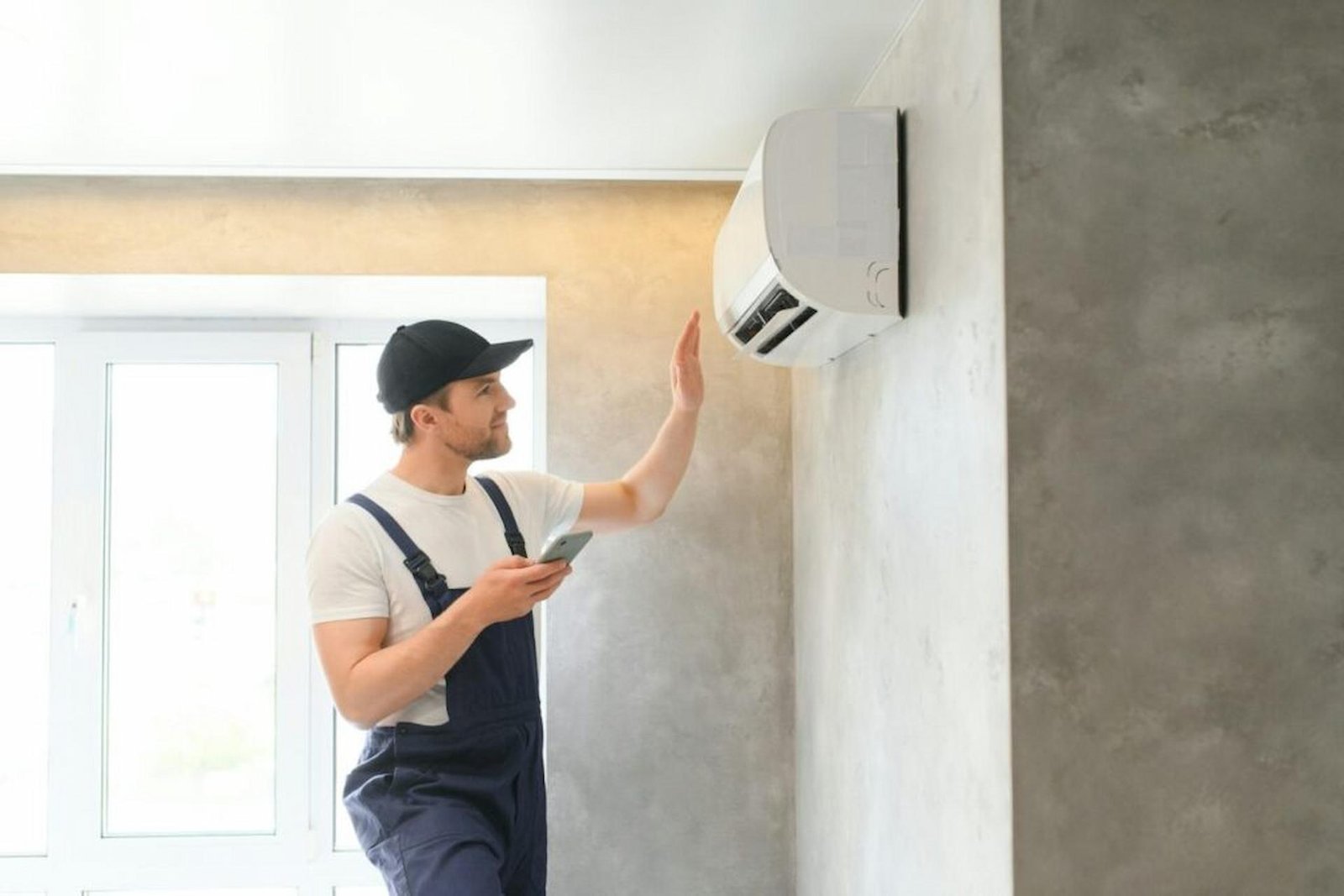
Installing a new air conditioning system is an exciting upgrade for any home. It improves comfort, boosts energy efficiency, and helps maintain consistent indoor temperatures during hot seasons. However, many homeowners hesitate because they worry about noise, dust, or daily disruptions during installation.
The good news is that with proper planning, communication, and preparation, a central AC installation in Reno, NV can be completed with minimal inconvenience. Understanding the process ahead of time helps homeowners stay organised and ensures the project runs smoothly.
This guide explains how to reduce disruption before, during, and after installation. By following these practical steps, homeowners can enjoy a seamless upgrade without unnecessary stress.
Planning Ahead: The Key to a Stress-Free Installation
Careful planning is the single most important factor in reducing disruption during an HVAC installation. When the process is organised early, technicians can work efficiently, and homeowners can prepare their living space accordingly.
Understand the Installation Timeline
A professional installation usually follows a predictable schedule. While every home is different, most installations are completed within one to three days, depending on system complexity.
Typical steps include:
- Home inspection and load calculation
- Removing the old HVAC system (if applicable)
- Installing the new central air conditioning unit
- Setting up ductwork connections and refrigerant lines
- Testing system performance
Knowing these stages helps homeowners anticipate when noise or activity will occur.
Schedule Installation at the Right Time
Timing plays a major role in minimising disruption.
Consider these scheduling strategies:
- Choose installation during mild weather when cooling demand is lower
- Avoid days with important home events or gatherings
- Schedule work during weekday hours when household traffic is lighter
Preparing Your Home Before Installation Day
A small amount of preparation can significantly reduce disruption when installation begins. Clearing space and organising access areas allows technicians to move freely and complete their work faster.
Create Clear Work Areas
The HVAC team will need access to several parts of the home.
These commonly include:
- Attic or crawl spaces
- Utility closets
- Outdoor condenser placement areas
- Electrical panels
Before installation day, homeowners should remove clutter and ensure these areas are easy to reach.
For example:
- Move storage boxes away from attic entrances
- Clear pathways through hallways and garages
- Trim plants or bushes around the outdoor unit location
These simple actions help technicians complete the installation with minimal delay.
Protect Furniture and Valuables
While professional installers take care to protect the home, preparing in advance adds an extra layer of protection.
Homeowners can:
- Cover nearby furniture with light sheets
- Remove fragile decorations from work areas
- Secure pets in a quiet room
By reducing obstacles and protecting belongings, the installation process becomes faster and more organised.
Communicating with Your HVAC Installation Team
Clear communication between homeowners and technicians helps prevent confusion and ensures expectations are aligned.
Discuss Installation Details Early
Before the project begins, ask the HVAC company about important details such as:
- Estimated installation duration
- Locations for indoor and outdoor equipment
- Potential noise levels
- Temporary power interruptions
Understanding these factors allows homeowners to plan daily routines around the installation schedule.
Establish Access Points
Technicians often move between indoor and outdoor areas during installation. Designating clear entry and exit points helps maintain efficiency.
Helpful steps include:
- Choosing a door for technician access
- Informing family members about restricted areas
- Ensuring pets remain secured
Managing Noise and Activity During Installation
Some level of noise is unavoidable during HVAC installation. However, understanding what to expect helps homeowners prepare and minimise disruption.
Typical Installation Sounds
Most installation noise comes from tools used to secure equipment and adjust ductwork.
Common sounds include:
- Power drills and screwdrivers
- Metal duct adjustments
- Equipment testing
These sounds usually occur intermittently rather than continuously.
Simple Ways to Reduce Disruption
Homeowners can minimise disturbance by adjusting daily routines during installation.
Practical strategies include:
- Scheduling remote work in a quiet room away from the installation area
- Running errands during the most active work periods
- Informing neighbours if outdoor work is expected
These small adjustments make the process feel less disruptive.
Keeping the Installation Process Efficient
Efficiency is essential for completing an HVAC installation quickly and smoothly. Several factors contribute to a streamlined process.
Ensure Clear Access to Utilities
Technicians will need access to electrical panels and thermostat wiring.
Homeowners can assist by:
- Clearing space around the electrical panel
- Identifying existing thermostat wiring locations
- Providing attic access if ductwork adjustments are required
This preparation prevents delays and allows the installation team to work continuously.
Avoid Interrupting the Work Process
While it is natural to be curious about the progress, frequent interruptions can slow down technicians.
Instead:
- Ask questions during scheduled breaks
- Allow installers to complete key steps before requesting updates
- Trust the professional workflow of the installation team
Post-Installation Steps for a Smooth Transition
Once the installation is complete, a few final steps help ensure the system runs properly and the home returns to normal quickly.
Conclusion:
Installing a central air conditioning system is one of the most valuable improvements homeowners can make for comfort and energy efficiency. Although installation involves some temporary activity, careful planning can dramatically reduce disruption.
By preparing the home, communicating clearly with installers, and adjusting daily routines during the project, homeowners can ensure a smooth and efficient process.
With the right preparation, the result is a cooler, more comfortable home ready to handle even the hottest days.