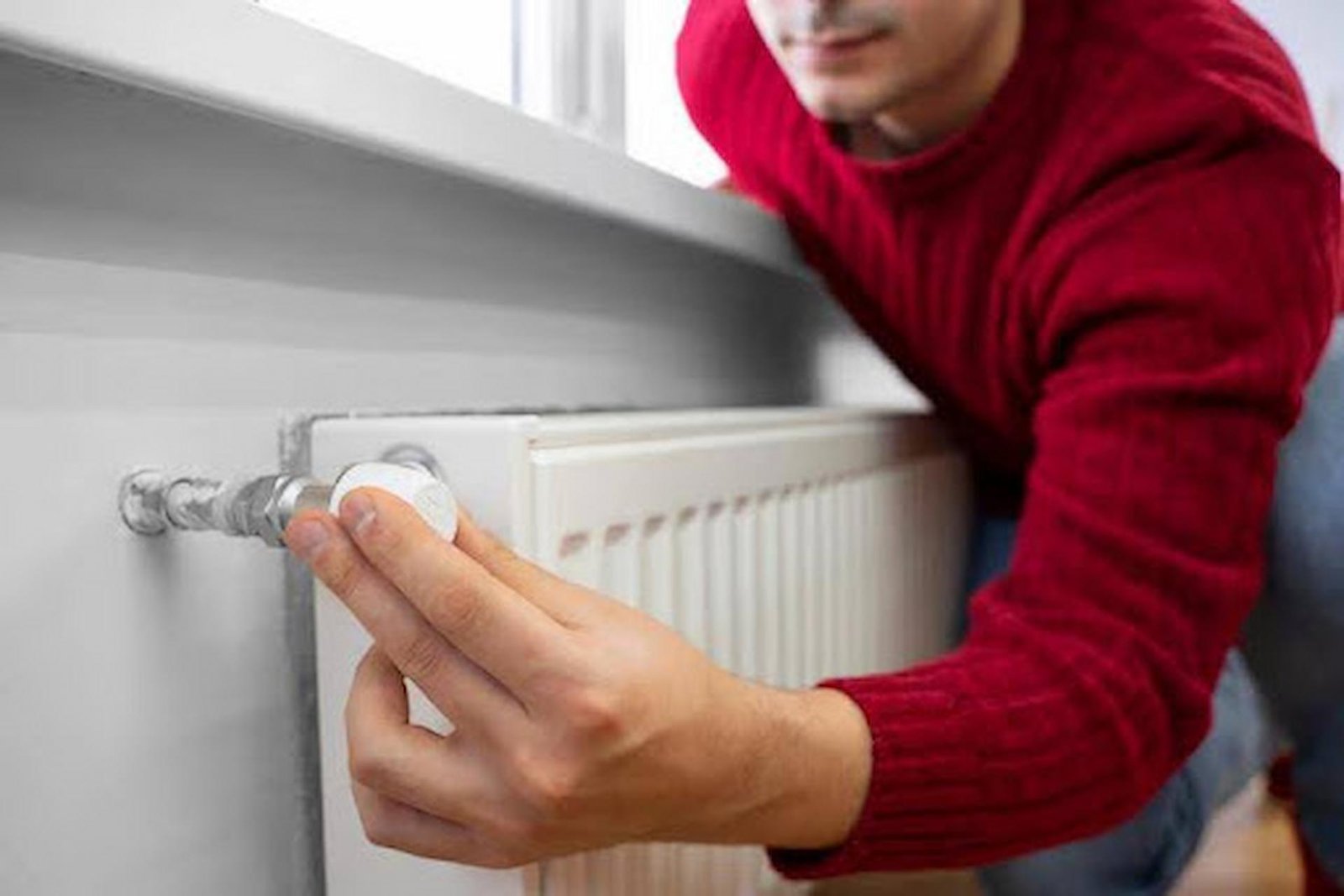
Regular radiator maintenance can prevent uneven heating, reduce energy bills, and extend the life of your system. Key steps include bleeding trapped air to eliminate cold spots, flushing out sludge buildup, inspecting valves for leaks, and keeping surfaces dust-free. These simple actions ensure your radiators deliver consistent warmth, heat rooms faster, and maintain optimal energy efficiency throughout the year.
Introduction
Radiators are one of the most familiar features in homes with central heating, yet they are often taken for granted. Once installed, many people expect them to work quietly in the background without much attention. In reality, simple maintenance—like bleeding trapped air, checking for leaks, and cleaning panels—can greatly improve heat output, efficiency, and lifespan. Understanding these upkeep steps also gives homeowners a better sense of what to look for when buying radiators, from material and size to energy efficiency and long-term reliability. A well-maintained system not only keeps rooms comfortably warm but also reduces energy waste and cuts down on future repair costs. The sections below break down radiator care into practical, easy-to-follow steps.
Why Radiator Maintenance Matters More Than You Think
Energy efficiency and heating costs
Radiators that are poorly maintained can lose efficiency without obvious warning signs. Trapped air, internal sludge, or surface dust can reduce heat output, forcing the boiler to work harder. According to UK energy efficiency studies, heating accounts for over half of household energy use, so even small losses matter.
Comfort and consistent warmth
Cold spots, uneven heating, or slow warm-up times often point to maintenance issues. Addressing these early improves comfort across rooms and reduces temperature swings during colder months.
System longevity
Routine care reduces strain on the entire heating system. Clean, balanced radiators place less pressure on pumps, valves, and boilers, helping avoid premature wear.
Understanding How Radiators Work
The basics of heat circulation
Radiators heat rooms by circulating hot water from the boiler through internal channels. Heat transfers from the metal surface into the surrounding air, which then circulates naturally around the room.
Why problems develop over time
Over months and years, air can enter the system and debris can settle at the bottom of radiators. Paint layers, dust buildup, or blocked valves can further limit heat transfer. These issues develop gradually, which is why performance loss often goes unnoticed.
Bleeding Radiators: A Simple but Essential Task
What bleeding actually does
Bleeding removes trapped air that prevents hot water from filling the radiator completely. Air pockets often cause gurgling noises or leave the top of the radiator cool while the bottom remains warm.
When and how often to bleed
Bleeding is usually needed once or twice a year, especially before winter. If a radiator feels uneven or noisy, it is often the first step to take.
Safety and clarity
Bleeding involves opening a small valve to release air until water appears. Using a cloth and radiator key keeps the process clean and controlled.
Keeping Radiators Clean Inside and Out
-
Surface cleaning for better heat transfer
Dust and dirt act as insulation, reducing how much heat enters the room. Regular wiping, especially behind and underneath radiators, helps maintain output and improves indoor air quality.
-
Internal buildup and sludge
Over time, rust and debris can collect inside radiators, settling at the bottom. This sludge restricts water flow and reduces efficiency. Signs include cold lower sections and longer heating times.
-
When flushing becomes necessary
Power flushing or chemical cleaning may be required if multiple radiators show poor performance. While not frequent, this deeper maintenance can restore lost efficiency.
Checking Valves and Controls Regularly
Thermostatic radiator valves (TRVs)
TRVs control room temperature by adjusting water flow. If they stick or fail, radiators may overheat or remain cold. Turning them fully on and off occasionally helps prevent seizing.
Lockshield valves and balance
Lockshield valves regulate flow across the system. Proper balancing ensures each radiator receives the right amount of hot water, preventing some rooms from overheating while others remain cool.
Radiator Placement and Airflow Awareness
Avoiding blocked heat circulation
Furniture, curtains, or radiator covers can trap heat and reduce room warmth. Maintaining clear airflow allows heat to circulate efficiently.
Reflective solutions
Heat-reflective panels placed behind radiators on external walls can reduce heat loss. These simple additions help push warmth back into the room rather than into the wall.
Seasonal Checks That Make a Difference
-
Before winter begins
Early checks ensure the system is ready for heavier use. This includes bleeding radiators, checking valves, and confirming even heat distribution.
-
During peak heating months
Listening for unusual noises and monitoring warm-up times helps catch issues before they worsen.
-
After heating season ends
Light cleaning and valve checks at the end of winter prepare the system for the next cycle with minimal effort later.
Smart Choices for Long-Term Performance
Matching radiator size to room needs
Radiators that are too small struggle to heat rooms efficiently, while oversized units may waste energy. Heat output should match room size, insulation level, and window area.
Materials and finishes
Different materials retain and release heat differently. Steel panel radiators heat quickly, while other designs may offer longer heat retention. These considerations matter when evaluating what to look for when buying radiators for future upgrades.
Practical Takeaways You Can Apply Today
- Bleed radiators annually to remove trapped air and restore full heat output
- Keep radiator surfaces and surrounding areas clean to improve efficiency
- Check valves regularly to ensure smooth temperature control
- Ensure furniture and curtains do not block airflow
- Monitor uneven heating early to avoid larger system issues
These steps require minimal time but deliver consistent comfort and energy savings.
key Takeaways
Radiator maintenance is not complicated, yet it plays a central role in how comfortable and efficient a home feels. Simple habits such as bleeding, cleaning, and checking controls help radiators perform as intended throughout the heating season. Over time, these actions also support smarter decisions about upgrades and replacements, including what to look for when buying radiators that suit long-term needs. By giving radiators a little attention each year, households can enjoy steady warmth, controlled energy use, and fewer unexpected problems. The result is a heating system that works with the home, not against it. Taking action now ensures comfort is reliable, efficient, and ready whenever temperatures drop.