

Maintaining a comfortable home environment is a top priority for any homeowner, but the systems that provide that comfort are often overlooked until something goes wrong. Whether you are dealing with the dry heat of summer or the surprisingly brisk evenings of a Southern California winter, your heating and cooling setup works tirelessly to keep your indoor climate stable. To ensure your system remains reliable year-round, staying on top of professional heat pump maintenance in Burbank, CA is one of the most effective ways to prevent sudden breakdowns. By taking a proactive approach to care, you can enjoy consistent temperatures while keeping your monthly utility bills from spiking unexpectedly.
The Importance of Regular Air Filter Changes
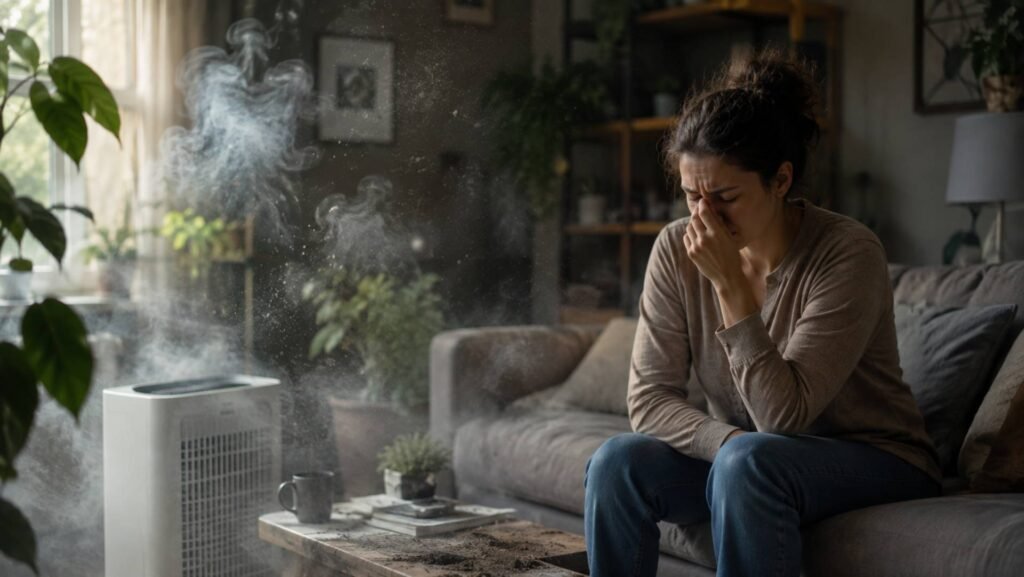
The simplest yet most impactful task a homeowner can perform is changing the air filter. Your HVAC system relies on steady airflow to function; when a filter becomes clogged with dust, pet dander, and pollen, the motor has to work significantly harder to pull air through. This extra strain leads to premature wear and tear on sensitive components.
In households with pets or residents who suffer from seasonal allergies, it is wise to check the filter every 30 days. High-efficiency pleated filters can capture smaller particles, but they also clog faster. Replacing these regularly ensures that the air circulating through your home remains clean and that your system doesn’t overheat from restricted flow.
Keeping the Outdoor Unit Clear
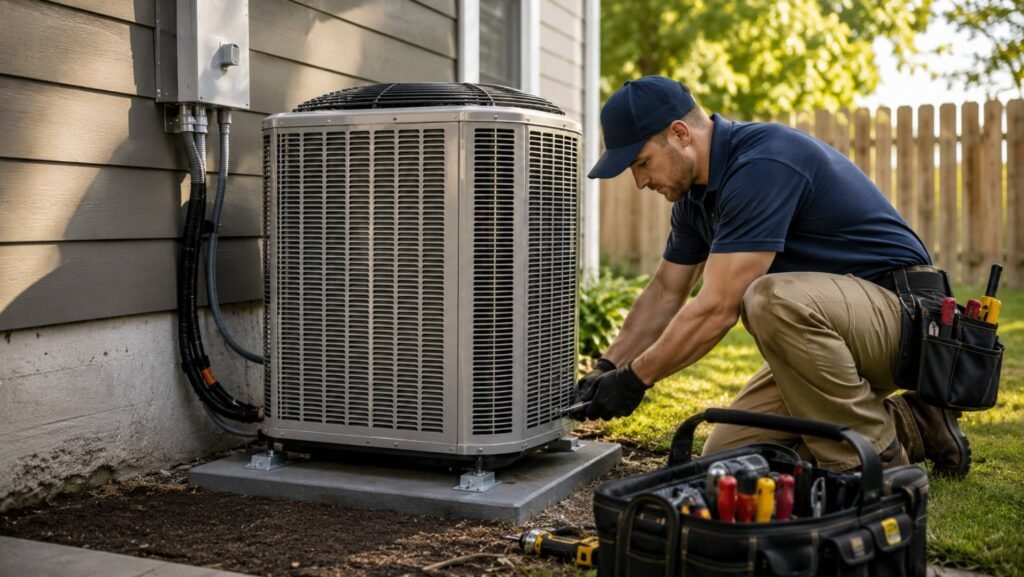
Your outdoor condenser or heat pump unit needs room to “breathe” to dissipate heat effectively. Over time, it is common for leaves, grass clippings, and garden debris to accumulate around the base of the unit. During your routine check of heat pump maintenance in Burbank, CA, you should ensure there is at least a two-foot clearance around the entire perimeter of the exterior equipment.
Trimming back overhanging branches and nearby shrubs prevents organic matter from getting sucked into the delicate aluminum fins. If these fins become bent or blocked, the heat exchange process is hampered, forcing the compressor to run longer cycles. A quick spray with a garden hose can also help remove fine dust, but be careful not to use high pressure, as this can damage the internal components.
Programming Your Thermostat for Longevity
Many homeowners believe that turning the system off entirely when they leave the house saves energy. However, this often forces the system to run at maximum capacity for hours to recover a comfortable temperature once you return. This “recovery period” puts immense stress on the equipment.
Instead, consider installing a smart or programmable thermostat. By setting the temperature just a few degrees higher in the summer (or lower in the winter) while you are away, you maintain a baseline that is easier for the system to manage. Modern thermostats also provide data on your energy usage, helping you identify patterns where you might be overworking your system unnecessarily.
Inspecting and Sealing Your Ductwork
Even the most efficient HVAC system will struggle if the delivery method—the ductwork—is compromised. It is estimated that the average home loses roughly 20% to 30% of the air moving through the system due to leaks, holes, and poorly connected ducts. This wasted energy never reaches your living spaces, making your equipment work overtime to compensate for the loss.
Signs of Duct Issues
- Visible dust buildup around supply vents.
- Specific rooms that never seem to reach the desired temperature.
- Unexplained whistling or rattling noises when the air kicks on.
Sealing these leaks with foil tape or mastic sealant can drastically improve the efficiency of your home. If your ducts are located in an unconditioned attic or crawlspace, ensuring they are properly insulated is equally important to prevent thermal loss.
Clearing the Condensate Drain Line
As your system cools your home, it also removes moisture from the air. This condensation collects in a tray and exits through a small drain line. Because this environment is damp and dark, it is a breeding ground for algae and mold, which can eventually clog the pipe.
A clogged drain line can lead to water backing up into your home, causing significant damage to ceilings or flooring. To prevent this, you can pour a cup of distilled white vinegar down the drain line every few months to kill any budding growth. Keeping this line clear ensures that the dehumidification process remains uninterrupted and your home stays dry.
The Value of Professional Inspections
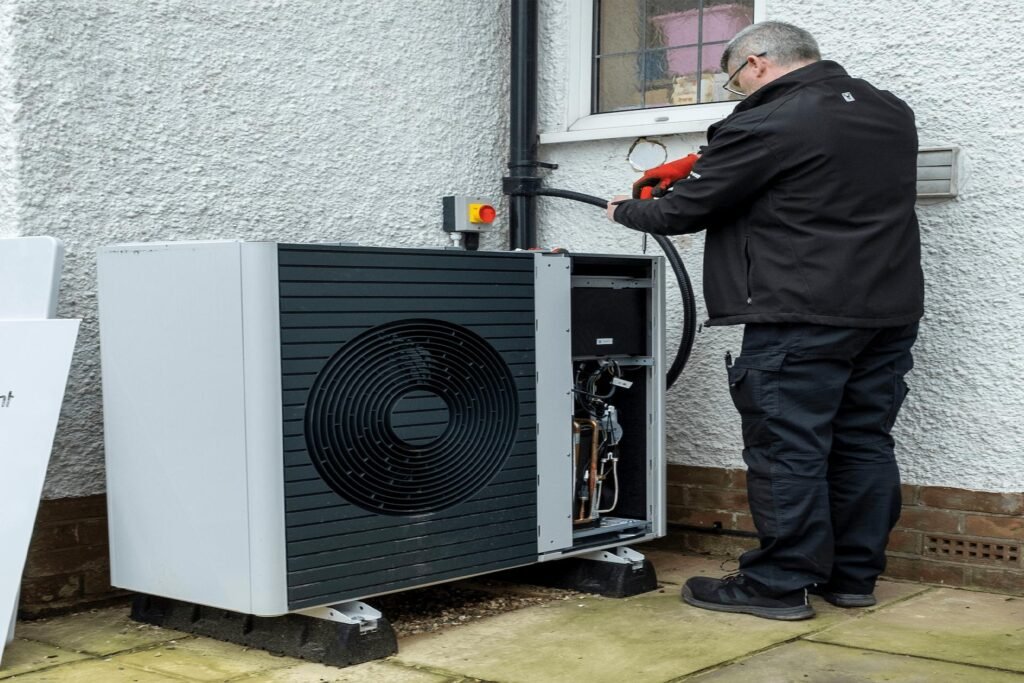
While DIY tasks are essential for day-to-day operation, a professional technician can spot issues that are invisible to the untrained eye. During a seasonal tune-up, a pro will check refrigerant levels, test electrical connections, and lubricate moving parts like the blower motor.
Addressing these minor adjustments annually prevents them from snowballing into “catastrophic failures” that require expensive emergency repairs. Most manufacturers also require proof of professional maintenance to keep the equipment warranty valid, making these visits a wise financial investment for the long-term health of your home.
Conclusion
Extending the life of your HVAC system doesn’t require a degree in engineering; it simply requires consistency. By managing your filters, keeping the outdoor area clean, and utilizing smart technology, you can reduce the daily burden on your equipment. When combined with professional oversight, these small habits ensure that your home remains a comfortable sanctuary for years to come. Start with a simple checklist this weekend to ensure your system is prepared for whatever the next season brings.