




What’s really holding back your lap times—your skill, or your setup? Poor ergonomics in sim racing can lead to sore wrists, stiff shoulders, slow reactions, and inconsistent braking without you even realizing it. The right seat height, wheel distance, screen position, and pedal alignment don’t just improve comfort—they sharpen precision, reduce fatigue, and help you stay locked in during long races. If you want smoother steering, faster responses, and endurance that lasts to the final lap, understanding sim racing ergonomics isn’t optional—it’s the edge most drivers overlook.
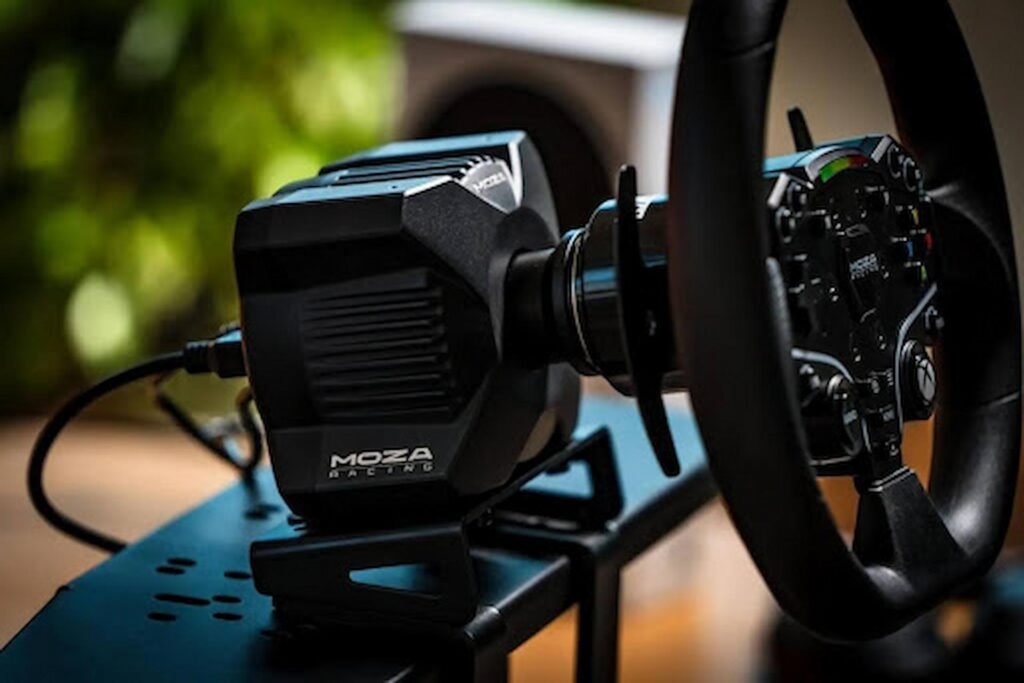
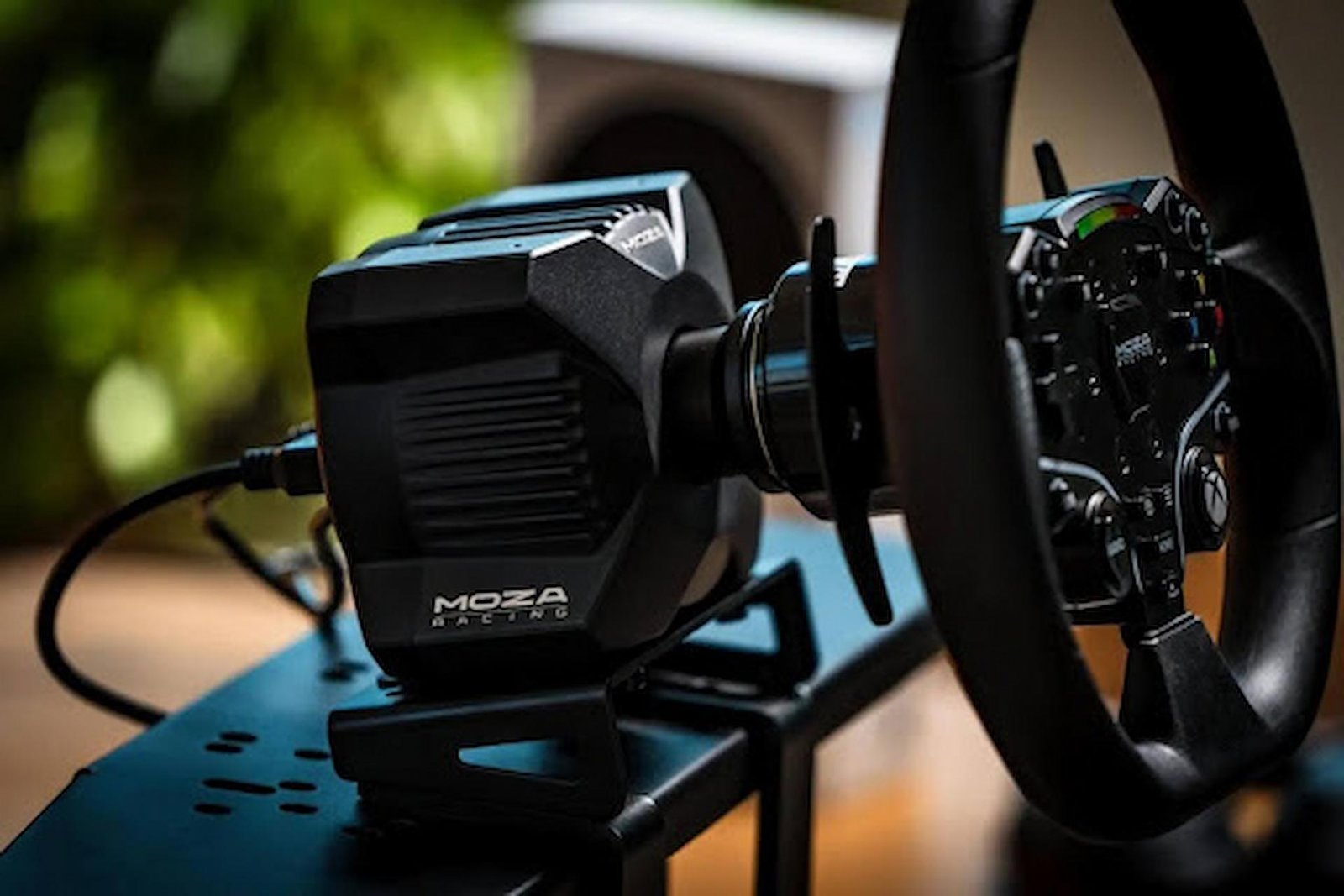
Sim racing is often associated with powerful wheels, high-resolution screens, and realistic physics. Yet many drivers overlook a critical element that influences comfort, consistency, and long-term enjoyment: ergonomics. Whether you are racing casually or building a dedicated rig, the way your body interacts with your setup matters just as much as the hardware itself—including well-balanced options like the Moza R3 bundle, which many sim racers choose as a foundation for compact, performance-oriented setups.
Ergonomics is about designing your environment to support your body naturally. In sim racing, this means reducing strain, maintaining healthy posture, and keeping controls within comfortable reach. When ergonomics are ignored, discomfort builds quietly, leading to fatigue, reduced concentration, and even long-term physical issues.
What Ergonomics Means in Sim Racing
At its core, ergonomics focuses on how your body sits, moves, and reacts while driving. A well-designed sim racing setup supports neutral posture—where joints are not overstressed and muscles remain relaxed.
In practical terms, this includes:
- Seat height and angle that support the lower back
- Wheel position that allows relaxed shoulders and bent elbows
- Pedal placement that avoids overextension of the legs
- Screen positioning that reduces neck and eye strain
When these elements work together, the body stays comfortable even during extended sessions.
Why Ergonomics Directly Affects Performance
Comfort is not just about avoiding pain. It also plays a measurable role in performance. Studies on seated task performance consistently show that discomfort reduces focus, reaction time, and precision. In sim racing, where inputs must be smooth and consistent, even minor strain can lead to overcorrection or slower responses.
An ergonomic setup allows:
- More consistent steering input
- Better pedal control under pressure
- Improved concentration during longer races
Instead of fighting discomfort, the driver can focus entirely on racing.
Common Ergonomic Mistakes in Sim Racing Setups
Many sim racers unknowingly introduce strain through small setup errors. These issues may not feel serious at first but often become noticeable over time.
Typical mistakes include:
- Sitting too far from the wheel, forcing locked elbows
- Pedals placed too low or too far forward, straining knees
- Screens positioned too high or too close, causing neck tension
- Flat seats without lumbar support
These problems are easy to overlook when focusing on hardware specifications, but they can quietly undermine comfort and control.
The Role of Seating and Posture
The seat is the foundation of any ergonomic setup. A proper sim racing seat supports the spine’s natural curve and keeps the pelvis stable. The ideal posture is upright but relaxed, with shoulders resting naturally and feet able to press pedals without stretching.
Key posture principles include:
- Hips slightly higher than knees
- Lower back supported, not flattened
- Feet resting fully on pedals at neutral angle
Even small adjustments to seat height or angle can significantly improve comfort.
Wheel, Pedals, and Control Placement
Once seating is correct, control placement becomes the next priority. The steering wheel should be positioned so elbows remain slightly bent, reducing shoulder tension. Pedals should allow full travel without locking the knees or lifting the hips from the seat.
Balanced hardware layouts—such as setups built around the Moza R3 bundle—are often easier to align ergonomically because they are designed for compact rigs and desks without extreme reach or height differences.
Proper alignment ensures that force feedback, braking pressure, and steering inputs feel natural rather than tiring.
Screen Positioning and Eye Comfort
Visual ergonomics are just as important as physical posture. Poor screen placement leads to neck strain and eye fatigue, especially during long sessions.
Best practices include:
- Screen centred directly in front of the driver
- Top of the display near eye level
- Distance that allows clear vision without leaning forward
A neutral viewing angle keeps the head balanced and reduces unnecessary movement.
Long-Term Health Benefits of Ergonomic Setups
While sim racing is a hobby, its physical demands are real. Repetitive movements, static posture, and long sessions can contribute to discomfort if ergonomics are ignored. A well-adjusted setup helps reduce the risk of lower back pain, shoulder tension, and wrist strain.
Ergonomics is about sustainability—allowing sim racing to remain enjoyable over months and years without physical drawbacks.
Practical Ergonomic Tips for Sim Racers
You do not need complex tools or professional fittings to improve ergonomics. Simple adjustments often make the biggest difference.
Actionable tips to apply immediately:
- Adjust seat height first, then align wheel and pedals to it
- Keep elbows and knees slightly bent at rest
- Position the screen at eye level to avoid neck tilt
- Take short breaks during long sessions to reset posture
- Re-check alignment whenever you change hardware or seating
These steps create a setup that supports both comfort and control.
Ergonomics as Part of Equipment Choice
Choosing equipment is not just about power or features. Size, mounting flexibility, and adjustability all influence ergonomic outcomes. Compact, well-balanced components make it easier to maintain proper posture without excessive reach or awkward angles.
This is why many sim racers prioritise setups that integrate smoothly into their available space, rather than forcing their body to adapt to the equipment.
Final Thoughts
Ergonomics is not an afterthought—it is a foundation. A comfortable, well-aligned sim racing setup supports better focus, smoother inputs, and longer, more enjoyable sessions. By paying attention to posture, control placement, and screen alignment, sim racers can improve both comfort and consistency.
Whether refining an existing rig or starting fresh with options like the Moza R3 bundle, prioritising ergonomics ensures that performance and enjoyment go hand in hand.